
What Is Credit Card Processing and How Does It Work for Businesses?
Credit card payments are an important part of modern business. Customers expect businesses to offer convenient ways to pay, whether they are shopping in a physical store, purchasing products online, booking a service, or paying a recurring bill. Behind every successful card payment is a process that connects the customer, merchant, financial institutions, and payment networks.
Credit card processing is the system that allows businesses to accept credit and debit card payments securely. It involves several parties and multiple steps, including payment authorization, transaction processing, and settlement.
Understanding how credit card processing works can help business owners make better decisions about payment solutions, processing fees, security, and customer experience.
What Is Credit Card Processing?
Credit card processing refers to the process of accepting and completing a payment made with a credit or debit card. Businesses may also use industry-specific merchant services to access payment solutions tailored to the needs and requirements of their particular industry.
A typical credit card transaction involves the merchant, customer, payment processor, acquiring bank, issuing bank, and card network.
The process generally includes three major stages:
Authorization: The transaction is checked and approved or declined.
Processing: The approved transaction is submitted through the appropriate payment networks.
Settlement: Funds are transferred to the merchant's business bank account.
Credit card processing allows businesses to accept electronic payments without handling cash for every transaction. It can support in-person purchases, online payments, mobile transactions, telephone orders, subscriptions, and other payment methods.
How Does Credit Card Processing Work?
Although a card payment may take only a few seconds from the customer's perspective, several steps happen behind the scenes.
What Happens When a Customer Swipes, Inserts, or Taps a Card?
The process begins when a customer presents their card or enters their card information to make a purchase.
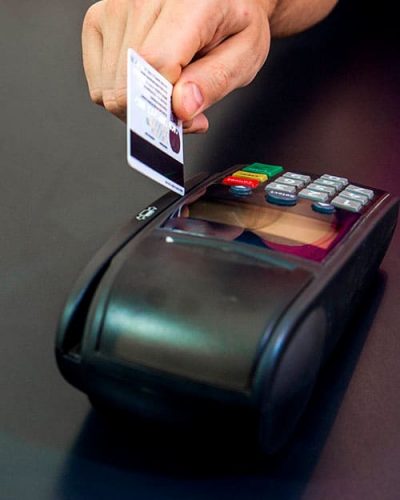
For an in-person transaction, the customer may swipe a magnetic stripe, insert a chip card, or tap a contactless card or mobile device. The payment terminal collects the necessary transaction information and sends it securely for authorization.
For an online purchase, the customer typically enters their card details through a secure checkout page. The payment information is then sent through a payment gateway and processor.
How Is a Credit Card Transaction Authorized?
After the payment information is submitted, the transaction is sent through the payment processor and card network to the customer's issuing bank. The issuing bank checks factors such as:
Whether the card is valid
Whether sufficient credit or funds are available
Whether the transaction appears suspicious
Whether the card has been reported lost or stolen
Whether the transaction meets applicable authorization requirements
The issuing bank then sends an approval or decline response back through the payment network.
How Are Funds Transferred to the Business?
Authorization does not necessarily mean the merchant immediately receives the money. After transactions are approved, the merchant submits them for settlement. The payment processor and financial institutions then reconcile the transactions and transfer the appropriate funds to the merchant's bank account.
Depending on the processor, business type, transaction type, and other factors, settlement may occur according to a specific schedule.
Who Are the Key Parties Involved in Credit Card Processing?
Several parties work together to complete a credit card transaction.
Cardholder
The cardholder is the customer using a credit or debit card to make a purchase.
Merchant
The merchant is the business accepting the payment for products or services.
Payment Processor
The payment processor facilitates communication between the merchant, card networks, and financial institutions. It helps transmit transaction information and process payment authorization.
Acquiring Bank
The acquiring bank, or merchant-acquiring institution, works with the business to facilitate card payments and receive funds from transactions.
Issuing Bank
The issuing bank provides the customer's credit or debit card. It reviews transactions and determines whether they can be approved.
Card Network
Card networks provide the infrastructure that allows transactions to move between merchants, processors, and financial institutions. Major card networks include Visa, Mastercard, American Express, and Discover. Each party has a specific role, but they must work together for a card transaction to be completed.
What Is a Payment Processor?
A payment processor is a company or service that helps facilitate electronic payment transactions between merchants and financial institutions.
When a customer makes a card payment, the processor helps transmit the transaction information for authorization and communicates the response back to the merchant. Payment processors may also provide additional services, such as:
Payment reporting
Fraud prevention tools
Recurring billing
Payment terminal support
Online payment integration
Transaction management
Chargeback assistance
A payment processor is an important component of the payment ecosystem, but it is not always the same thing as a merchant account provider or payment gateway.
What Are the Different Ways Businesses Can Accept Credit Card Payments?
Businesses can accept credit card payments in several ways depending on their operations and customer preferences.
In-Person Card Payments
Brick-and-mortar businesses commonly accept payments through point-of-sale terminals. Customers can swipe, insert, or tap their cards. These systems are commonly used by retail stores, restaurants, healthcare offices, salons, professional services, and other businesses.
Some businesses may also use a cash discount program to offer pricing options that account for different payment methods while continuing to accept credit card transactions.
Online Credit Card Payments
E-commerce businesses can accept card payments through secure online checkout pages. Customers enter their payment information, and the transaction is transmitted through the payment gateway and processing system. Online processing allows businesses to serve customers regardless of their physical location.
Mobile and Contactless Payments
Mobile payment technology allows customers to pay using smartphones, smartwatches, and contactless cards.
Contactless payments can provide a quick checkout experience while using security features designed to protect payment information.
Recurring and Subscription Payments
Businesses that charge customers on a recurring basis can use recurring payment systems. These are useful for subscriptions, memberships, maintenance plans, and other services involving scheduled payments.
Automated billing can reduce the need for customers to manually submit payments each billing cycle.
Phone or Virtual Terminal Payments
Some businesses accept payments over the phone or through virtual terminals. A staff member can enter customer payment information into a secure payment system rather than using a physical card terminal.
This option can be useful for certain service businesses, reservations, and other transactions where the customer is not physically present.
What Are Credit Card Processing Fees?
Businesses generally pay fees for accepting credit card payments. These fees help cover the costs associated with payment networks, financial institutions, processing services, security, and other components of the payment system. Processing fees can vary based on the provider and transaction.
Common costs may include:
Percentage-based transaction fees
Per-transaction fees
Monthly account fees
Payment gateway fees
Equipment fees
Chargeback fees
Other service-related charges
Business owners should review the complete fee structure instead of looking only at the advertised transaction rate.
What Factors Affect Credit Card Processing Fees?
Several factors can influence processing costs.
Transaction volume: Businesses processing a large number of transactions may have different pricing options than smaller businesses.
Payment method: Card-present transactions may have different rates from card-not-present transactions.
Type of card: Different cards and transaction categories can carry different interchange costs.
Business industry: Some industries may be considered higher risk and therefore have different processing requirements.
Risk level: Fraud exposure, chargebacks, and other risk factors can affect pricing.
Processor pricing model: Different processors structure their fees in different ways.
Understanding these factors can help businesses evaluate their actual payment processing expenses.
What Are the Different Credit Card Processing Pricing Models?
Payment processors may offer different pricing structures.
Flat-Rate Pricing
With flat-rate pricing, the business typically pays a consistent percentage and transaction fee for eligible payments.
This approach can be relatively easy to understand and may be suitable for smaller businesses that want simple pricing.
Interchange-Plus Pricing
Interchange-plus pricing separates the interchange cost from the processor's markup. This model can provide greater transparency and may be beneficial for businesses with significant transaction volume.
Tiered Pricing
Tiered pricing places transactions into different categories, often based on their processing characteristics.
Although this model can offer different rates for different transaction types, businesses should carefully review how transactions are categorized.
Subscription-Based Pricing
Some providers use a subscription-style model where businesses pay a recurring fee in exchange for specific processing terms.
The suitability of this model depends on transaction volume, business needs, and the provider's overall fee structure.
How Does Credit Card Processing Benefit Businesses?
Accepting credit cards can provide several advantages for businesses.
Convenient Payment Options
Customers can pay using the method they prefer instead of being limited to cash or checks.
Faster Transactions
Electronic payments can make checkout faster and reduce the administrative work associated with handling cash.
Increased Sales Opportunities
Offering card payments can make it easier for customers to complete purchases, particularly when transactions involve larger amounts.
Better Customer Experience
Flexible payment options can create a smoother purchasing experience for customers.
Support for Online and In-Person Sales
A reliable processing system can allow businesses to accept payments through multiple channels.
Improved Payment Tracking
Digital transactions can make it easier to monitor sales, generate reports, and reconcile payments.
Recurring Payment Capabilities
Businesses offering subscriptions or ongoing services can automate recurring payments, reducing manual billing work.
How Do Businesses Keep Credit Card Transactions Secure?
Payment security is a major consideration for businesses accepting card payments. Several technologies and practices can help protect transaction information. Encryption helps protect payment information while it is transmitted between systems.
Tokenization can replace sensitive card information with a unique token that can be used for transaction processing without exposing the original card details in the same way. PCI DSS compliance provides security requirements for businesses and organizations involved in handling payment card information.
Businesses may also use fraud detection tools, authentication technologies, secure payment gateways, and other security measures. Keeping payment systems updated and following appropriate security practices can help reduce the risk of unauthorized transactions and data exposure.
What Is the Difference Between a Payment Gateway and a Payment Processor?
Payment gateways and payment processors work together but perform different functions. A payment gateway securely collects and transmits payment information between the customer's payment method and the payment processing system. It is especially important for online transactions.
For an online purchase, the gateway may securely transmit the customer's payment details, while the processor helps move the transaction through the payment network for authorization and settlement. Businesses may obtain these services separately or through an integrated payment solution from a payment technology company that provides tools designed to simplify and manage electronic transactions.
What Should Businesses Consider When Choosing a Credit Card Processor?
Choosing a payment processor is an important business decision. The right solution should fit the company's transaction volume, payment channels, industry, and customer needs.
Businesses should consider:
Processing Fees
Review transaction rates, monthly fees, equipment costs, and other charges.
Payment Methods Supported
Make sure the processor supports the payment methods customers are likely to use, including credit cards, debit cards, contactless payments, and online transactions.
Security Features
Look for strong security tools, fraud prevention capabilities, and appropriate compliance support.
Contract Terms
Review contract length, cancellation policies, minimum processing requirements, and other conditions.
Customer Support
Reliable customer service can be important when payment problems affect the ability to complete sales.
Integration Options
Businesses may need payment processing that integrates with their point-of-sale system, website, accounting software, or other business tools.
Settlement Times
Understand when processed funds are typically deposited into the business bank account.
Reporting and Analytics
Payment reports can help businesses monitor transactions, refunds, chargebacks, and other important financial information.
Scalability
The payment solution should be able to support the business as transaction volume, locations, or payment channels grow.
FAQs About Credit Card Processing
How long does credit card processing take?
Authorization typically occurs within seconds, allowing customers to receive a quick approval or decline response. The actual settlement and deposit of funds may take longer depending on the processor, transaction, and business account.
How much does credit card processing cost a business?
Costs vary depending on the processor, pricing model, transaction volume, card type, payment method, and other factors. Businesses should review all applicable fees before selecting a provider.
Can small businesses accept credit card payments?
Yes. Small businesses can use various payment processing solutions, including mobile card readers, point-of-sale systems, online payment gateways, and virtual terminals.
What happens if a credit card transaction is declined?
A declined transaction means the payment was not authorized. The customer may need to contact their card issuer or use another payment method. Businesses should avoid assuming that every decline indicates insufficient funds because there can be multiple reasons for a declined transaction.
Is credit card processing secure for businesses and customers?
Credit card processing systems use security technologies and industry standards designed to protect payment information. Businesses should work with reputable providers and follow applicable security and compliance requirements.
Conclusion
Credit card processing allows businesses to accept electronic payments by connecting customers, merchants, payment processors, card networks, and financial institutions. Although the process happens quickly from the customer's perspective, several steps take place behind the scenes to authorize, process, and settle each transaction.
Understanding how credit card processing works can help business owners evaluate payment options, manage processing costs, improve customer convenience, and protect sensitive payment information.
Whether a business operates a physical store, an e-commerce website, or a service-based operation, choosing a payment processing solution that fits its needs can make transactions easier and more efficient. Contact us today to learn more about credit card processing solutions and how the right payment system can support your business.